- English
- 简体中文
- Español
- Português
- русский
- Français
- 日本語
- Deutsch
- tiếng Việt
- Italiano
- Nederlands
- ภาษาไทย
- Polski
- 한국어
- Svenska
- magyar
- Malay
- বাংলা ভাষার
- Dansk
- Suomi
- हिन्दी
- Pilipino
- Türkçe
- Gaeilge
- العربية
- Indonesia
- Norsk
- تمل
- český
- ελληνικά
- український
- Javanese
- فارسی
- தமிழ்
- తెలుగు
- नेपाली
- Burmese
- български
- ລາວ
- Latine
- Қазақша
- Euskal
- Azərbaycan
- Slovenský jazyk
- Македонски
- Lietuvos
- Eesti Keel
- Română
- Slovenski
- मराठी
- Srpski језик

News
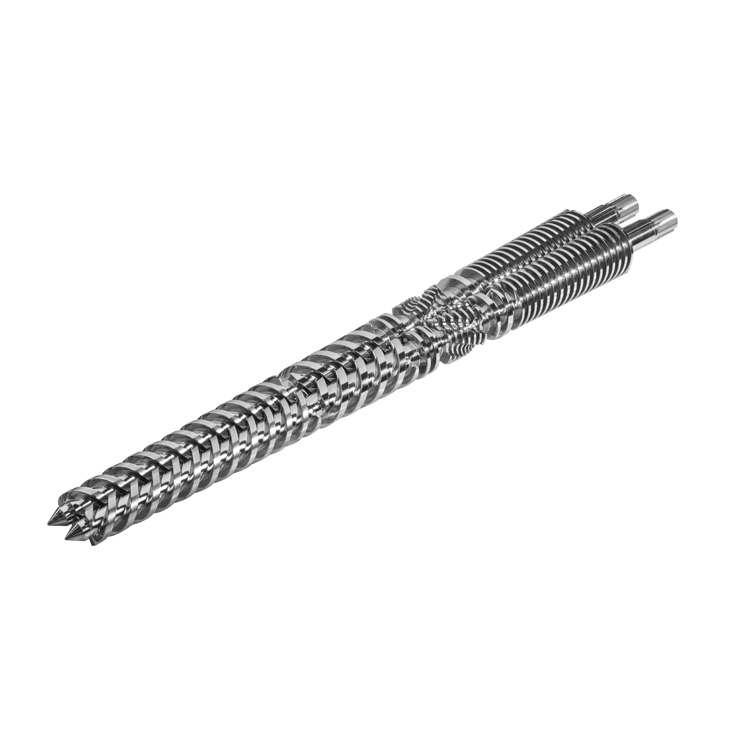
L/D Ratio and Compression Ratio: What the Numbers Don't Tell You
A customer sends a drawing marked 30:1, compression 3:1, and asks us to copy it. Nine times out of ten we do exactly that. The tenth time, we ask what they feed the machine — and the answer explains the problem they have been living with for two years.
Read More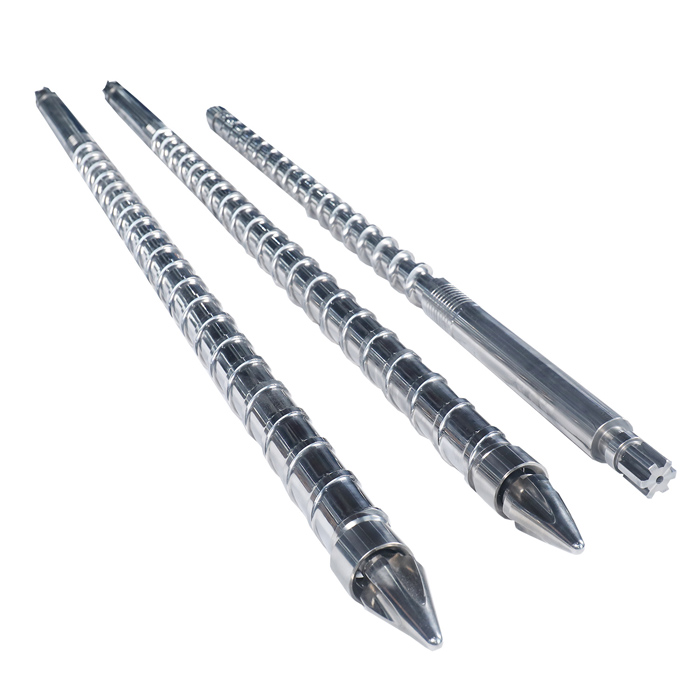
Screw Barrel Quality Inspection: What to Check Before You Pay
To verify a screw barrel before you pay, check three things: dimensions, materials and surface. Require an inspection report with the actual measured dimensions of your parts (not the design values), a material certificate with chemistry and heat number, and the surface treatment with its measured d......
Read More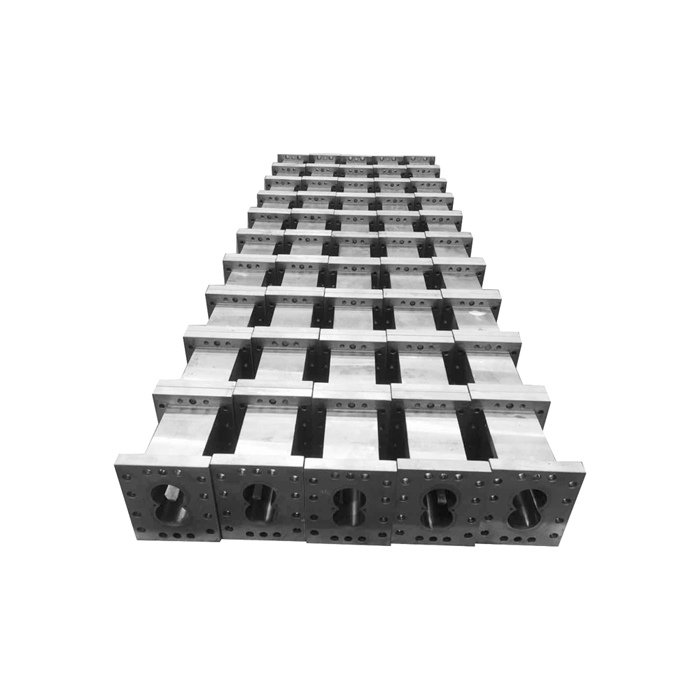
Screw Mixers Explained: Maddock vs Pineapple vs Saxton
A mixing element is a section machined into an extruder screw that makes the melt more uniform. The three most common are the Maddock (high-shear, dispersive — breaks down unmelt and agglomerates), the Pineapple (low-shear, distributive — evens out colour and temperature), and the Saxton (distributi......
Read More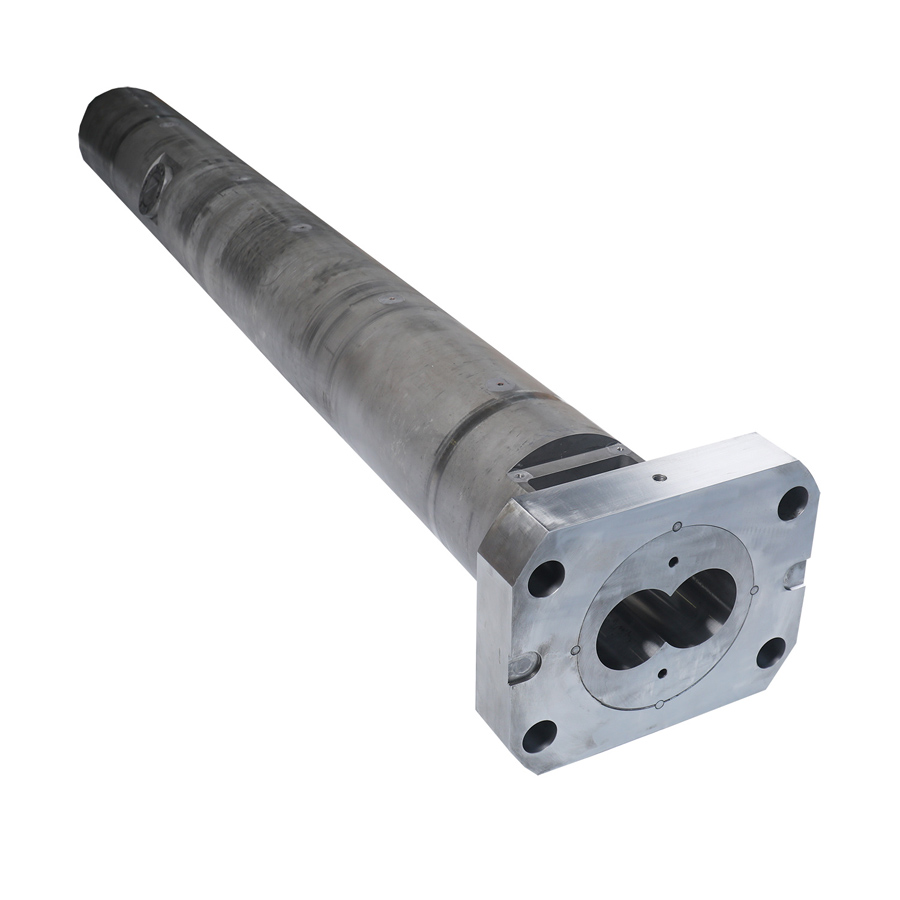
Single Screw vs Twin Screw Extruder Barrel: Which One Do You Need?
A single screw extruder barrel conveys and melts material with one screw, relying on friction against the barrel wall. It is simpler, more robust and more economical — the right choice for straightforward melting and shaping of most polymers and recycled plastics. A twin screw barrel uses two int......
Read More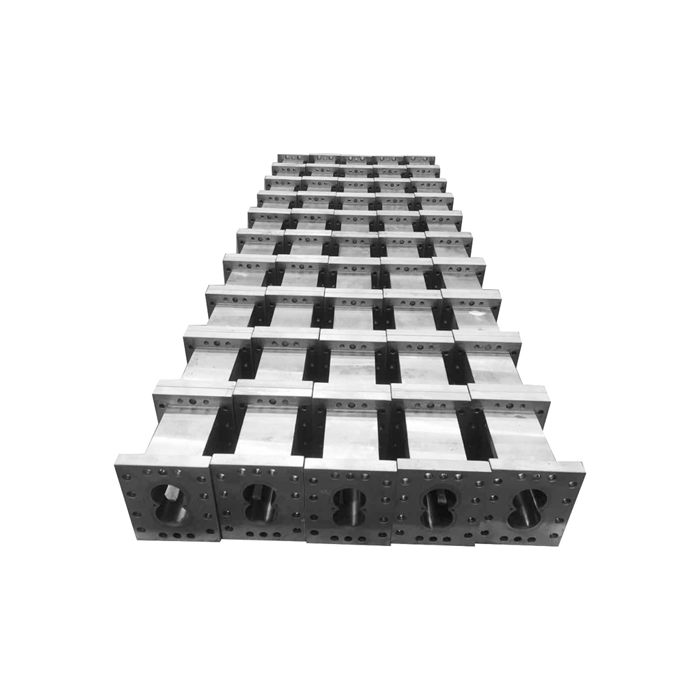
How to Get an Accurate Screw Barrel Quote
To get an accurate screw barrel quote, send a drawing if you have one. If you don't, send product photos plus the major dimensions — diameter, length and flange information — together with the material you process and the surface treatment you want. With those details clear, EJS can usually make ......
Read More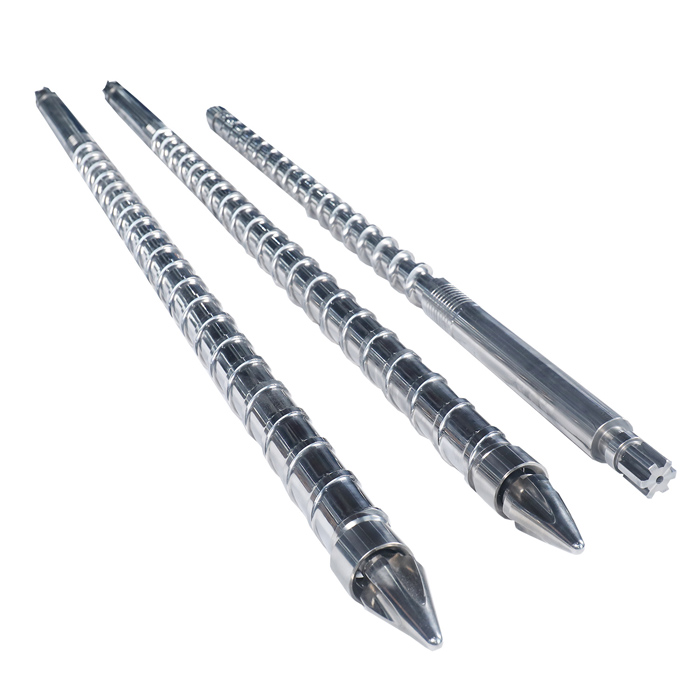
What Steel Is Used for Screw Barrels? 38CrMoAlA, 42CrMo & 31CrMoV9 Explained
Screw barrels are made from alloy steels chosen for strength, hardenability, and how well they take a hardened surface. The most common are 38CrMoAlA (1.8509) and 34CrAlNi7 (1.8550) for nitrided parts, 42CrMo (4140) and 31CrMoV9 (1.8519) for through-hardened work, 40Cr for bimetallic barrels, and SS......
Read More