- English
- 简体中文
- Español
- Português
- русский
- Français
- 日本語
- Deutsch
- tiếng Việt
- Italiano
- Nederlands
- ภาษาไทย
- Polski
- 한국어
- Svenska
- magyar
- Malay
- বাংলা ভাষার
- Dansk
- Suomi
- हिन्दी
- Pilipino
- Türkçe
- Gaeilge
- العربية
- Indonesia
- Norsk
- تمل
- český
- ελληνικά
- український
- Javanese
- فارسی
- தமிழ்
- తెలుగు
- नेपाली
- Burmese
- български
- ລາວ
- Latine
- Қазақша
- Euskal
- Azərbaycan
- Slovenský jazyk
- Македонски
- Lietuvos
- Eesti Keel
- Română
- Slovenski
- मराठी
- Srpski језик

How Does a Nitrided Screw Barrel Improve Processing Performance?
Summary: This article presents a comprehensive exploration of nitrided screw barrels — what they are, how nitriding enhances their performance, common applications in plastics processing, selection criteria for manufacturers and suppliers, troubleshooting common issues, and maintenance best practices. It aims to solve practical pain points faced by engineers, procurement specialists, and quality managers seeking reliable screw barrel solutions.
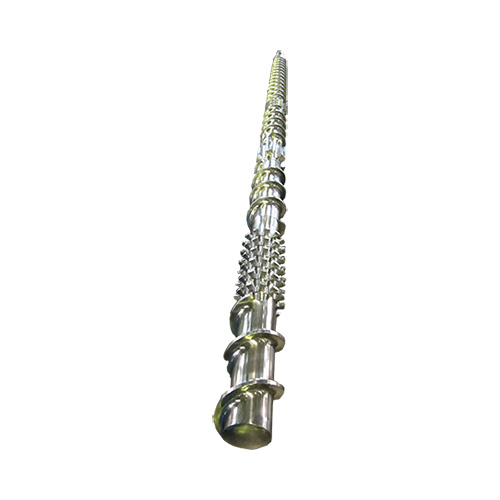
Table of Contents
- What Is a Nitrided Screw Barrel?
- Why Nitriding Matters: Benefits Explained
- Key Performance Challenges in Plastic Processing
- Applications of Nitrided Screw Barrels
- How to Select a Reliable Manufacturer or Supplier
- Common Troubleshooting Scenarios
- Maintenance and Lifecycle Best Practices
- FAQ
- Contact Information
What Is a Nitrided Screw Barrel?
A nitrided screw barrel is a machine component used in plastic extrusion and injection molding equipment. The term “nitrided” refers to a thermo-chemical surface treatment process in which nitrogen is diffused into the steel surface to form hard nitrides. This enhances wear resistance, fatigue strength, and corrosion resistance compared to untreated barrels.
Screw barrels work in tandem with screws to convey, compress, melt, and homogenize polymer materials. By improving surface hardness and durability, nitriding extends service life and stabilizes processing conditions.
Why Nitriding Matters: Benefits Explained
Nitriding transforms the screw barrel’s surface characteristics, addressing several processing challenges that conventional barrels cannot withstand over prolonged industrial use.
| Benefit Category | How Nitriding Helps |
|---|---|
| Wear Resistance | Hard nitrided layer reduces abrasion from fillers, glass fibers, and regrind materials. |
| Fatigue Strength | Enhanced resistance against cyclic stress prolongs barrel life in high-output operations. |
| Corrosion Resistance | Protects against chemical attack from aggressive polymers and additives. |
| Thermal Stability | Improved surface integrity maintains consistent melting and flow characteristics. |
| Surface Finish | Smoother barrel surface reduces friction and promotes homogenous melt flow. |
These benefits translate directly into reduced downtime, fewer replacements, and more stable production quality.
Key Performance Challenges in Plastic Processing
Manufacturers often encounter several pain points related to screw barrels:
- Rapid Wear: Abrasive materials like glass-filled nylon accelerate wear.
- Inconsistent Output: Barrel degradation affects melt homogeneity and cycle stability.
- Material Contamination: Surface defects trap polymers and additives.
- Frequent Replacement Costs: Downtime and part costs erode profitability.
Nitrided screw barrels directly tackle these challenges by providing a robust surface that withstands harsh processing environments and materials.
Applications of Nitrided Screw Barrels
Nitrided screw barrels are widely used across multiple sectors of plastics manufacturing:
- Injection Molding: Enhances longevity in high-cycle automotive and consumer goods molding.
- Extrusion: Ideal for profile, sheet, and pipe extrusion with abrasive fillers.
- Blow Molding: Stabilizes melt quality for consistent wall thickness.
- Compounding: Improves performance where additives and reinforcements are processed.
For industries demanding precision and high throughput — such as packaging, medical devices, and electronics — nitrided barrels offer measurable production advantages.
How to Select a Reliable Manufacturer or Supplier
Choosing the right partner for nitrided screw barrels is crucial. Key evaluation criteria include:
| Selection Factor | What to Verify |
|---|---|
| Material Expertise | Steel grades and nitriding protocols specific to polymer applications. |
| Manufacturing Precision | Tolerances, concentricity, and surface finish control. |
| Quality Testing | Hardness profiles, non-destructive testing, and documentation. |
| Customization Capabilities | Ability to tailor design for specific machines and polymers. |
| After-Sales Support | Warranty, technical advice, and maintenance guidance. |
China-based suppliers often combine advanced processing equipment with competitive pricing, making them strong candidates for global supply chains. EJS, a China screw barrel manufacturer and supplier, offers experience in producing high-performance nitrided screw barrels optimized for diverse processing needs.
Common Troubleshooting Scenarios
Here are typical issues encountered in the field and how nitrided screw barrels address them:
- Surface Pitting: Caused by chemical attack — nitrided layers resist pitting better than untreated surfaces.
- Grip Loss: Poor material conveyance due to wear — nitrided barrels maintain geometry longer.
- Overheating: Friction-related heat buildup — smoother nitrided surfaces reduce friction.
- Contamination Bands: Residue build-up — harder surfaces are easier to clean and less prone to adhesion.
Diagnosing these early and selecting the right nitrided barrel configuration can prevent costly production interruptions.
Maintenance and Lifecycle Best Practices
Proper maintenance extends service life and performance consistency:
- Schedule regular inspections for wear and corrosion.
- Monitor processing parameters — temperature, pressure, and throughput.
- Keep a log of material types and additives processed.
- Partner with your barrel supplier for refurbishment or re-nitriding when needed.
Routine care combined with high-quality nitrided components minimizes unexpected failures.
Frequently Asked Questions
What is the difference between nitrided and chrome-plated screw barrels?
Nitriding diffuses nitrogen into the steel surface creating a hardened layer without applying a coating, whereas chrome plating adds a separate hard layer. Nitriding often delivers deeper hardness and better fatigue resistance.
Can nitrided screw barrels be repaired?
Yes, depending on wear extent. Some suppliers offer rework services including re-nitriding or stress relief to restore performance.
Is nitriding suitable for all polymers?
Generally yes, especially for abrasive and high-temperature polymers. Consult the supplier’s engineering team for specific polymer compatibility.
How long does nitriding last?
Lifespan varies with application, material abrasiveness, and maintenance. Many users report significantly extended barrel life compared to untreated barrels.
Contact Information
If you face ongoing processing quality issues or frequent screw barrel failures, partnering with an experienced supplier can make a measurable difference. EJS is a China-based screw barrel manufacturer and supplier specializing in nitrided screw barrel solutions tailored to your machine specifications and processing requirements. We provide technical support, customization, and after-sales service to maximize uptime and performance.
Contact Us at EJS for Expert Nitrided Screw Barrel Solutions