- English
- 简体中文
- Español
- Português
- русский
- Français
- 日本語
- Deutsch
- tiếng Việt
- Italiano
- Nederlands
- ภาษาไทย
- Polski
- 한국어
- Svenska
- magyar
- Malay
- বাংলা ভাষার
- Dansk
- Suomi
- हिन्दी
- Pilipino
- Türkçe
- Gaeilge
- العربية
- Indonesia
- Norsk
- تمل
- český
- ελληνικά
- український
- Javanese
- فارسی
- தமிழ்
- తెలుగు
- नेपाली
- Burmese
- български
- ລາວ
- Latine
- Қазақша
- Euskal
- Azərbaycan
- Slovenský jazyk
- Македонски
- Lietuvos
- Eesti Keel
- Română
- Slovenski
- मराठी
- Srpski језик

How Does a Rubber Screw Barrel Improve Rubber Processing Efficiency?
Abstract
A Rubber Screw Barrel is a core component in modern rubber processing equipment, directly affecting plasticization quality, output stability, and production cost. For manufacturers facing challenges such as uneven mixing, excessive wear, frequent downtime, or inconsistent product quality, selecting the right Rubber Screw Barrel becomes a critical decision. This article provides a comprehensive explanation of how a Rubber Screw Barrel works, what problems it solves, how to evaluate quality and specifications, and why working with a reliable manufacturer and supplier in China matters for long-term operational success.
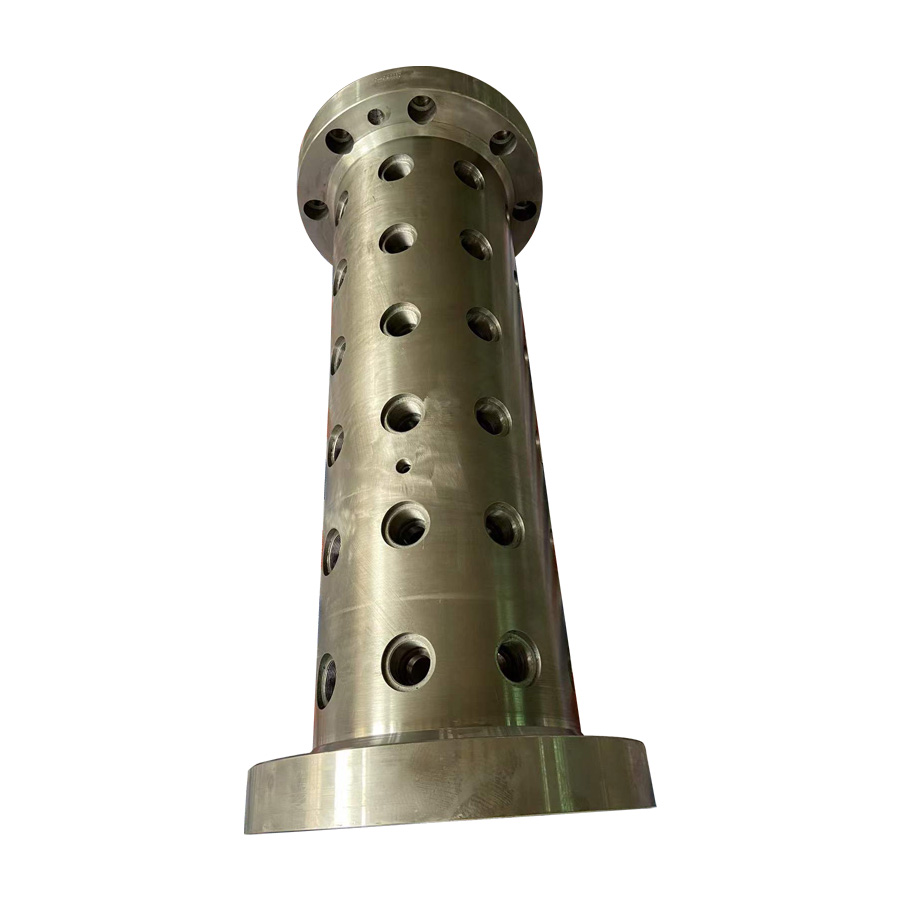
Table of Contents
- Understanding the Role of a Rubber Screw Barrel
- Common Processing Challenges in Rubber Manufacturing
- How a Rubber Screw Barrel Solves These Challenges
- Key Structural Components and Design Logic
- Material Selection and Surface Treatment Considerations
- Application Scenarios Across Rubber Industries
- How to Choose the Right Manufacturer and Supplier
- Why Many Buyers Source Rubber Screw Barrels from China
- Rubber Screw Barrel Selection Checklist
- Frequently Asked Questions
- Conclusion and Cooperation Opportunity
Understanding the Role of a Rubber Screw Barrel
A Rubber Screw Barrel is specifically engineered to process high-viscosity, elastic, and heat-sensitive rubber compounds. Unlike standard plastic screw barrels, rubber-oriented designs must handle higher torque, stronger shear forces, and more complex material behaviors. The screw and barrel work together to complete feeding, compression, plasticization, mixing, and conveying within a controlled thermal and mechanical environment.
In rubber extrusion, injection molding, and compounding lines, the Rubber Screw Barrel acts as the mechanical heart of the system. Any mismatch in design, material, or processing parameters can lead to premature wear, unstable output, or defective end products.
Common Processing Challenges in Rubber Manufacturing
Rubber processors often face recurring operational issues that directly affect productivity and profitability. These challenges include:
- Inconsistent plasticization causing surface defects or weak mechanical properties
- Excessive wear due to abrasive fillers such as carbon black
- Material degradation caused by overheating or uneven shear
- High energy consumption and unstable output rates
- Frequent screw or barrel replacement increasing maintenance costs
These pain points highlight the importance of a purpose-built Rubber Screw Barrel rather than a general-purpose alternative.
How a Rubber Screw Barrel Solves These Challenges
A well-designed Rubber Screw Barrel addresses processing issues through optimized geometry and material engineering. Key improvements include controlled compression ratios, enhanced mixing zones, and wear-resistant inner surfaces.
By balancing shear force and temperature distribution, the Rubber Screw Barrel ensures uniform dispersion of fillers and additives without damaging the rubber matrix. This results in consistent viscosity, stable extrusion pressure, and improved dimensional accuracy of finished products.
Key Structural Components and Design Logic
The effectiveness of a Rubber Screw Barrel depends on how its internal structure matches the characteristics of rubber materials.
| Component | Design Purpose |
|---|---|
| Screw Flights | Provide stable conveying and controlled shear for elastic compounds |
| Compression Section | Gradually increases pressure for uniform plasticization |
| Mixing Section | Improves dispersion of fillers and additives |
| Barrel Liner | Resists abrasion and corrosion under high-load operation |
Material Selection and Surface Treatment Considerations
Rubber processing environments are harsh due to high filler content, elevated temperatures, and continuous mechanical stress. Therefore, material selection for the Rubber Screw Barrel is critical.
- Alloy steel substrates provide structural strength and fatigue resistance
- Bimetallic linings enhance wear and corrosion resistance
- Nitriding or hardfacing treatments extend service life
A reliable manufacturer will adjust material combinations based on rubber formulations, output requirements, and operating conditions.
Application Scenarios Across Rubber Industries
Rubber Screw Barrels are widely used in multiple industrial sectors:
- Tire and inner tube production
- Rubber seals, gaskets, and hoses
- Automotive and industrial rubber parts
- Cable insulation and sheathing
Each application demands different screw geometries and barrel specifications, reinforcing the need for customized solutions rather than standardized products.
How to Choose the Right Manufacturer and Supplier
Selecting a Rubber Screw Barrel is not only a technical decision but also a supply-chain decision. Key evaluation criteria include:
- Engineering capability and customization experience
- Material traceability and quality control systems
- Lead time stability and after-sales technical support
- Proven cooperation with international clients
Companies like EJS focus on precision manufacturing and application-driven design, helping customers match equipment performance with production goals. More details about Rubber Screw Barrel solutions can be explored at Rubber Screw Barrel manufacturer and supplier resources.
Why Many Buyers Source Rubber Screw Barrels from China
China has become a global manufacturing hub for screw barrel systems due to mature industrial chains, advanced machining capabilities, and cost-effective production. For international buyers, sourcing from an experienced China-based manufacturer and supplier offers:
- Competitive pricing without compromising quality
- Flexible customization for different machinery brands
- Scalable production capacity for long-term projects
When partnered with the right supplier, overseas customers can achieve both performance reliability and cost control.
Rubber Screw Barrel Selection Checklist
- Confirm rubber type and filler composition
- Define output rate and temperature range
- Match screw design to processing method
- Evaluate wear resistance requirements
- Choose a manufacturer with proven industry experience
Frequently Asked Questions
What makes a Rubber Screw Barrel different from a plastic screw barrel?
Rubber Screw Barrels are designed for higher torque, stronger shear resistance, and better temperature control to handle elastic and abrasive rubber compounds.
How long does a high-quality Rubber Screw Barrel typically last?
Service life depends on material formulation and operating conditions, but optimized designs with proper surface treatment can significantly extend operational cycles.
Can a Rubber Screw Barrel be customized for specific machinery?
Yes, experienced manufacturers and suppliers can tailor screw geometry, length-to-diameter ratio, and materials based on machine models and production needs.
Conclusion and Cooperation Opportunity
A Rubber Screw Barrel is not just a replaceable component but a strategic investment in production stability, efficiency, and product quality. By understanding design principles, material choices, and supplier capabilities, manufacturers can avoid costly downtime and achieve consistent output.
EJS continues to support global customers with application-focused Rubber Screw Barrel solutions, combining engineering expertise with reliable manufacturing. If you are evaluating upgrades or sourcing a long-term manufacturer and supplier in China, now is the right time to contact us and discuss how the right Rubber Screw Barrel can support your production goals.