- English
- 简体中文
- Español
- Português
- русский
- Français
- 日本語
- Deutsch
- tiếng Việt
- Italiano
- Nederlands
- ภาษาไทย
- Polski
- 한국어
- Svenska
- magyar
- Malay
- বাংলা ভাষার
- Dansk
- Suomi
- हिन्दी
- Pilipino
- Türkçe
- Gaeilge
- العربية
- Indonesia
- Norsk
- تمل
- český
- ελληνικά
- український
- Javanese
- فارسی
- தமிழ்
- తెలుగు
- नेपाली
- Burmese
- български
- ລາວ
- Latine
- Қазақша
- Euskal
- Azərbaycan
- Slovenský jazyk
- Македонски
- Lietuvos
- Eesti Keel
- Română
- Slovenski
- मराठी
- Srpski језик

How Does a Bimetallic Screw Barrel Improve Extrusion Performance?
Abstract: Bimetallic screw barrels are critical components in modern extrusion and injection molding processes. They offer enhanced durability, wear resistance, and improved heat transfer compared to standard single-metal barrels. This article explores their working principles, features, benefits, maintenance tips, and answers common customer questions to help manufacturers make informed decisions.
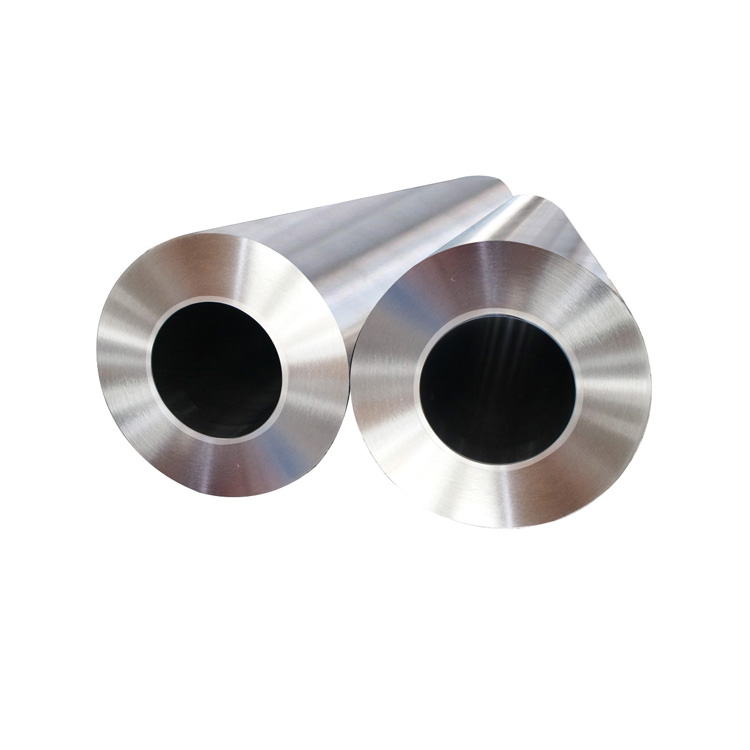
Table of Contents
- Overview of Bimetallic Screw Barrels
- Working Principle
- Key Features and Advantages
- Applications in Manufacturing
- Maintenance and Longevity
- Product Parameters
- Frequently Asked Questions
- Conclusion & Contact Information
Overview of Bimetallic Screw Barrels
Bimetallic screw barrels consist of a steel core coated with a high-alloy or wear-resistant metal layer. This dual-metal construction allows the barrel to withstand abrasive materials, high pressure, and elevated temperatures, making them suitable for heavy-duty extrusion operations. Manufacturers increasingly prefer bimetallic barrels for their ability to improve production efficiency while reducing downtime caused by wear and corrosion.
Working Principle
The primary role of a bimetallic screw barrel is to facilitate the consistent melting and conveying of polymer or other materials through an extrusion or injection molding system. The process works as follows:
- Material enters the barrel through the hopper.
- The rotating screw moves the material forward while applying shear heat.
- The bimetallic coating ensures even heat distribution and resists wear caused by friction and abrasive fillers.
- The material exits the barrel in a uniform, controlled flow for high-quality product formation.
Compared to traditional barrels, bimetallic barrels maintain their structural integrity longer and reduce the risk of contamination from worn surfaces.
Key Features and Advantages
- Wear Resistance: Bimetallic layers protect against abrasive materials, extending service life.
- Corrosion Resistance: Resistant to chemical attack from additives or polymers.
- Improved Thermal Conductivity: Ensures uniform heat distribution for consistent melting.
- Reduced Maintenance: Longer lifespan decreases the frequency of barrel replacement.
- Enhanced Productivity: Stable operation reduces downtime and maintains product quality.
Applications in Manufacturing
Bimetallic screw barrels are widely used across multiple industries where extrusion or injection molding is critical:
- Plastic extrusion of PVC, PP, PE, and engineering polymers.
- Rubber processing for tires, seals, and hoses.
- Food processing extruders for cereals, snacks, and pet food.
- Compounding and masterbatch production with high filler content.
The versatility of bimetallic screw barrels makes them a valuable choice for manufacturers seeking reliable performance in demanding production environments.
Maintenance and Longevity
Proper maintenance extends the life of a bimetallic screw barrel. Key practices include:
- Regular cleaning to prevent material buildup.
- Inspection for signs of wear or corrosion.
- Maintaining proper lubrication and cooling system efficiency.
- Replacement of screws or liners when wear exceeds recommended tolerances.
Following these guidelines ensures consistent production quality and minimizes costly downtime.
Product Parameters
| Parameter | Specification |
| Barrel Length | 24–60 times the screw diameter (L/D ratio) |
| Inner Material | High-strength alloy steel |
| Bimetallic Coating | High-chromium, nickel-based or tungsten alloy |
| Temperature Range | Up to 450°C depending on material |
| Applications | Plastic extrusion, injection molding, compounding |
| Service Life | 2–5 times longer than standard barrels |
Frequently Asked Questions
Q1: How do I know if a bimetallic barrel is necessary for my operation?
A1: If your process involves abrasive or high-temperature materials, or if standard barrels wear quickly, a bimetallic barrel will provide longer life and more consistent product quality.
Q2: Can bimetallic barrels be repaired if worn?
A2: Minor wear can sometimes be resurfaced or recoated by specialized repair services, but severe wear typically requires full replacement.
Q3: Are bimetallic barrels compatible with all screw designs?
A3: Yes, they can be customized to match most screw profiles, including single-screw, twin-screw, and compounding screws.
Conclusion & Contact Information
Bimetallic screw barrels provide superior durability, efficiency, and product quality for extrusion and molding processes. By investing in high-quality bimetallic barrels from EJS, manufacturers can reduce downtime, improve production output, and ensure long-term operational reliability. To learn more about EJS bimetallic screw barrels or to request a personalized solution, contact us today for expert assistance.